

What the New BUILD America 250 Act Will Mean for Truck Drivers
A newly proposed bipartisan bill, the Building Unrivaled Infrastructure and Long-term Development for America’s 250th (BUILD America 250 Act), could significantly improve truck transportation conditions.
This legislation proposes an $850-billion investment into surface transportation initiatives from fiscal year 2027 through 2031. The bill is expected to see a floor vote in the House by the end of June. If it passes, the legislation will go to the Senate for a vote. In the past, the Senate has made sweeping changes to pro-trucking legislation, leaving the freight hauling industry less than satisfied. However, trucking organizations have shown optimism that the BUILD America 250 Act, if passed, will improve conditions.
Whether you’re brand-new to the trucking industry or you’re a seasoned owner-operator, here is what you can expect, should the BUILD America 250 Act pass as-written.
More Efficient Routes
Bridges falling into disrepair and pot-holed roadways make transporting goods and materials more difficult than necessary. The BUILD America 250 Act aims to reverse the conditions of roads and bridges across the country through targeted investments. Given the state of the country’s worst bridges and supply routes, infrastructure upgrades could prove a Herculean task.
According to U.S. News and World Report, Rhode Island earned a reputation for having the worst roads in America. Conditions literally bottomed out to the point that automobiles have been pulled out of large potholes and sinkholes. The smallest state in the union once tried to force owner-operators and fleets to shoulder the cost of road repairs through a truck-only tolling system. After losing a lawsuit in federal court, Little Rhody imposes across-the-board tolls on its pass-through highways. Like other states with poorly maintained roadways, conditions negatively impact tires, chassis, and braking systems.
Similarly, deteriorating bridges result in bottlenecks, slow-moving traffic, and unnecessary wear and tear on tractor-trailers. U.S. News and World Report ranked states based on bridge conditions. Although Rhode Island ranked fifth worst, Iowa is reportedly in dire straits. Nearly 20% of its bridges are considered structurally deficient. More than $500 million is expected to be allocated to address more than 97.9 million square feet of surface area. The BUILD America 250 Act would likely increase funding and fast-track the rehabilitation process. According to the American Transportation Research Institute, congestion associated with poor roads and bridges costs trucking outfits $108.8 billion in lost work hours every year.
Expanded Parking
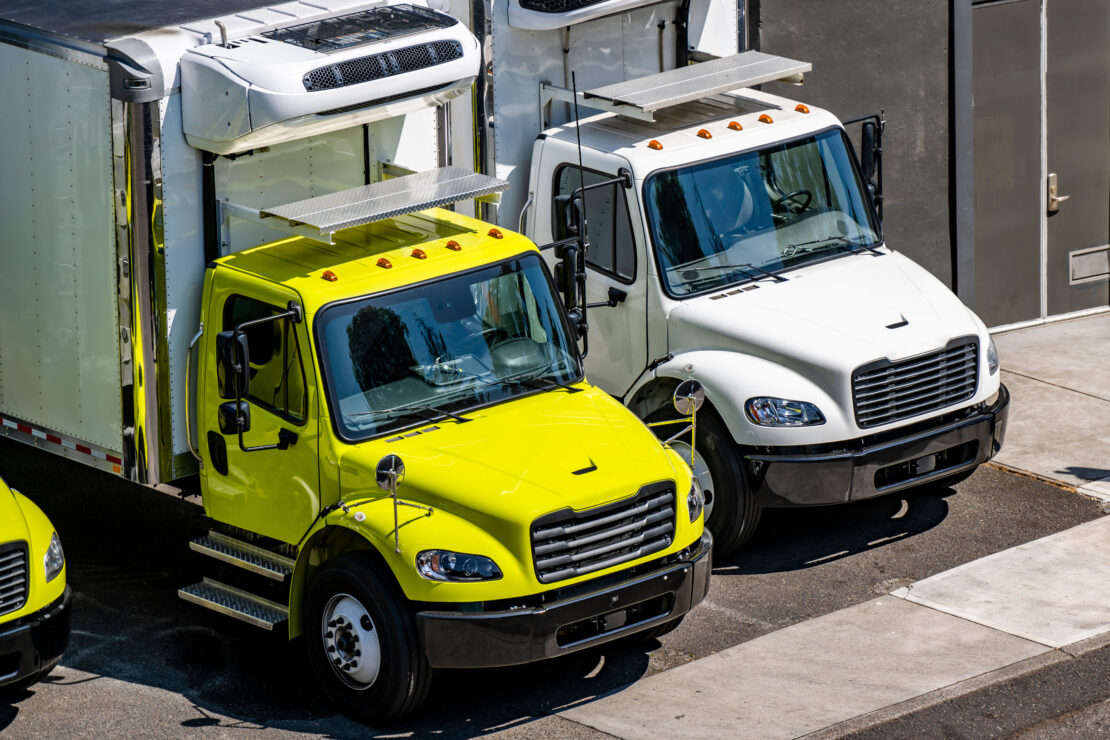
Trucking organizations advocated for upwards of $1 billion in funding for parking spaces in the Infrastructure Investment and Jobs Act. That number dipped to $30 million, creating approximately 260 new spaces. Reports indicate there is only 1 legitimate truck parking space available for every 11 big rigs on the road. The shortage has become a contentious issue for CDL holders and advocacy groups such as the Owner-Operator Independent Drivers Association (OOIDA).
“If the next surface transportation reauthorization fails to provide dedicated funding for truck parking, but authorizes even a single penny of funding for new initiatives, OOIDA will use every tool it has to ensure the legislation is defeated,” the Association stated.
Truck drivers lose valuable hours of service time or are forced to overstep FMCSA rules or local regulations when searching for a safe parking space. The OOIDA reportedly helped secure a provision in the BUILD America 250 Act that would direct $150 million annually toward creating truck parking spaces.
Stricter Liability for Owner-Operators
Although the BUILD America 250 Act does not directly craft new liability regulations, it creates tighter oversight. The Act would give the FMCSA increased authority to stop fraudulent carriers and brokers. As the law stands today, the federal agency can only take action after a fraudulent entity is registered. The Act gives the FMCSA the authority to deny registration to so-called chameleon carriers altogether. This pre-emptive power is designed to root out fraud before industry professionals are harmed.
The federal agency would also have greater authority to stymie predatory lease-purchase incentives. The U.S. DOT would issue a standardized disclosure form to carriers that use leased vehicles. Items such as compensation, mileage, deduction settlements, and others would need to be spelled out. It should not be an issue for carriers that play by the rules. The Act would also sunset the self-verification ELD option. Instead of allowing the “trust us” approach to continue, the federal government will shift to a verify-first philosophy.
Restrictions for Autonomous Vehicles
While AI may be replacing workers in wide-reaching industries, AV won’t have a significant impact on truck drivers. The BUILD America 250 Act imposes national restrictions on autonomous vehicles. The DOT would establish safety standards and certification, and require prompt incident reporting. The Act also asserts federal supremacy over sometimes patchwork and overly lenient state regulations. To gain AV certification, an organization must prove it can operate at safety standards equal to or higher than those of human drivers.
Relaxed Rules for Stingers

Automobile haulers and driveaway truckers will no longer have to attach warning flags for overhanging cargo. The reasoning is that such transport projects already have standard warning lights. Flags are viewed as a redundancy that leads to minor damage to new vehicles.
Emphasis on Safety
Congress has a penchant for adding safety regulations to legislation that affects the trucking industry. The most recent involves a crackdown on sham truck driver training operations under the New Entrant Safety Assurance Program. The BUILD America 250 Act is no different. It directs the DOT to establish greater lithium-ion battery safety oversight. Drivers would need a hazardous material endorsement. Hair follicle drug testing is also included in this House bill, along with efforts to combat cargo theft.
Stay Updated
The trucking industry continues to move along at a rapid pace. Maintaining compliance means understanding what new regulations and requirements guide our industry. TSI continues to invest in our truck drivers by staying on top of the latest news, providing ongoing training, and building resources for new and experienced drivers alike.
Visit our blog for more industry news and insights.
